Precipitation Patterns Reshaping Probabilities in Muddy Turf Sprints and Saturated Lower Division Pitches
Petra Patterson · Aug 11, 2026
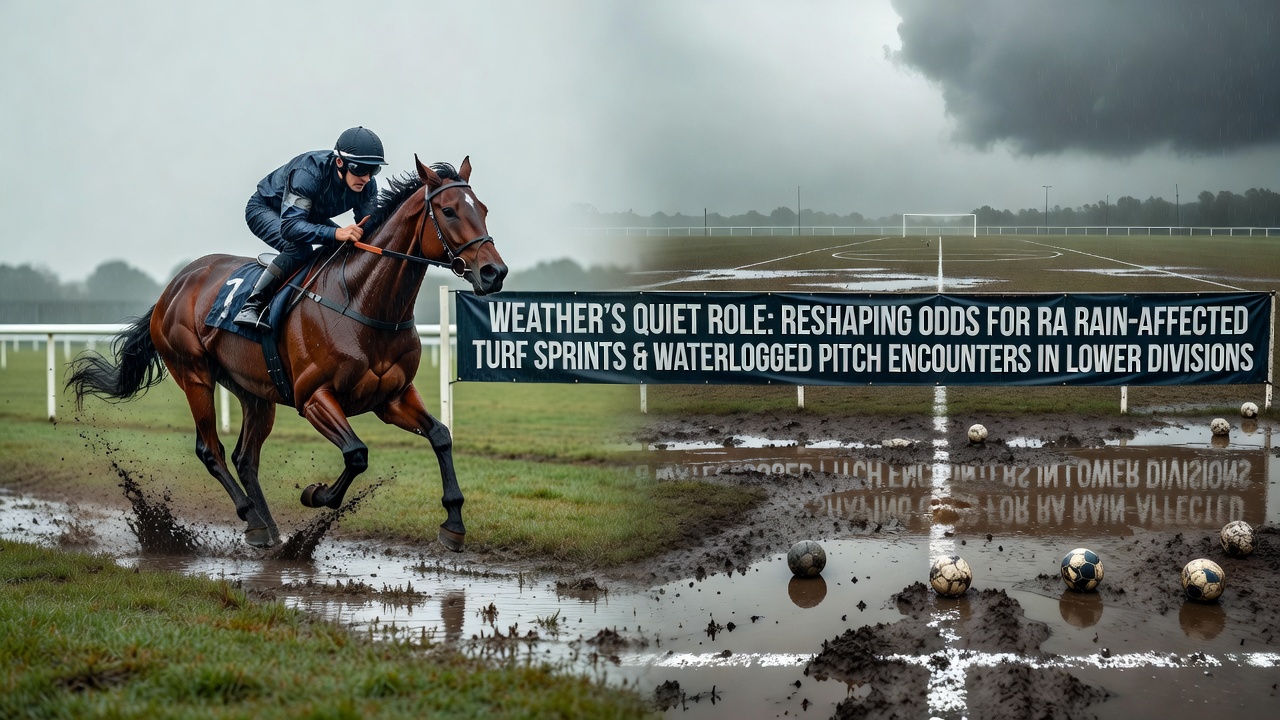
Precipitation Patterns Reshaping Probabilities in Muddy Turf Sprints and Saturated Lower Division Pitches
Weather conditions exert measurable influence over betting markets when persistent rainfall softens turf surfaces in sprint races and turns lower division football pitches into heavy, waterlogged arenas that favor certain playing styles over others, and data collected across multiple seasons shows consistent shifts in odds as soon as precipitation begins to accumulate.
Track Conditions and Sprint Race Adjustments
Softened ground in turf sprints slows overall times while rewarding horses with proven ability to handle yielding surfaces, and researchers tracking results at tracks such as those in the north of England have documented how favorites with poor wet-weather records drift in the betting whereas outsiders with strong mud form shorten dramatically once official going reports change from good to soft or worse. August 2026 brought above-average rainfall across many racing venues, prompting clerks to water less and allow natural saturation to set in, which in turn produced a higher percentage of front-runners holding on because the ground prevented late closers from making their usual ground-gaining moves. Observers note that bookmakers adjust their odds boards within minutes of updated going descriptions, and those adjustments often reflect historical strike rates rather than current trainer comments.
Lower Division Football and Pitch Saturation Effects
Waterlogged pitches in leagues below the Championship reduce the number of accurate long passes and increase the frequency of stoppages, which leads analysts to revise over/under goal expectations downward while simultaneously elevating the probability of draws or low-scoring encounters. Teams that rely on quick transitions and wide play lose effectiveness once the ball begins to stick in the surface, whereas sides comfortable with direct play and set-piece routines gain an edge that betting markets reflect through adjusted prices on both teams to score and Asian handicap lines. Figures from recent campaigns reveal that matches played on saturated surfaces in League One and League Two produce roughly 0.4 fewer goals per game on average compared with fixtures on firm ground, and this statistical pattern holds across multiple seasons regardless of team form leading into the match.

Data Sources and Market Responses
According to records maintained by the National Oceanic and Atmospheric Administration, prolonged wet spells in late summer correlate with increased postponement risks and altered surface ratings that directly feed into pre-match and in-play pricing models used by operators. Industry reports compiled by European sports data providers further indicate that sharp bettors target these weather-driven discrepancies early, placing wagers before general market awareness catches up to the revised probabilities. In August 2026 several lower division fixtures scheduled for midweek rounds encountered sudden downpours that turned playable surfaces into heavy bogs overnight, resulting in multiple goal-line markets closing lower than their opening values once the extent of the saturation became clear to odds compilers.
Trainer and Manager Adaptations in Wet Conditions
Trainers who prepare horses specifically for testing ground often see their runners attract support once rain arrives, and this pattern repeats across sprint distances where early pace becomes more decisive because the surface prevents sustained finishing kicks. Managers in lower divisions respond by naming squads heavy on physical centre-halves and target men when forecasts predict heavy rain, and those selection choices in turn influence both total goals and clean sheet markets. Historical data sets demonstrate that certain yards maintain higher win percentages on soft and heavy turf, yet the market does not always price this edge fully until the going description updates, creating temporary value for those monitoring weather reports alongside official declarations.
Conclusion
Precipitation continues to act as a quiet but consistent variable that alters probabilities in both rain-affected turf sprints and waterlogged lower division encounters, and market participants who incorporate detailed weather and surface data alongside traditional form analysis capture edges that appear only after conditions change. August 2026 provided further examples of how sudden rainfall can shift odds boards across multiple codes within hours, underscoring the ongoing relevance of ground conditions to pricing accuracy.