Fixture Overload and Distance Drags: Performance Shifts in Soccer Leagues and Thoroughbred Racing
Petra Patterson · Aug 6, 2026
Fixture Overload and Distance Drags: Performance Shifts in Soccer Leagues and Thoroughbred Racing
Schedule Density Meets Travel Demands
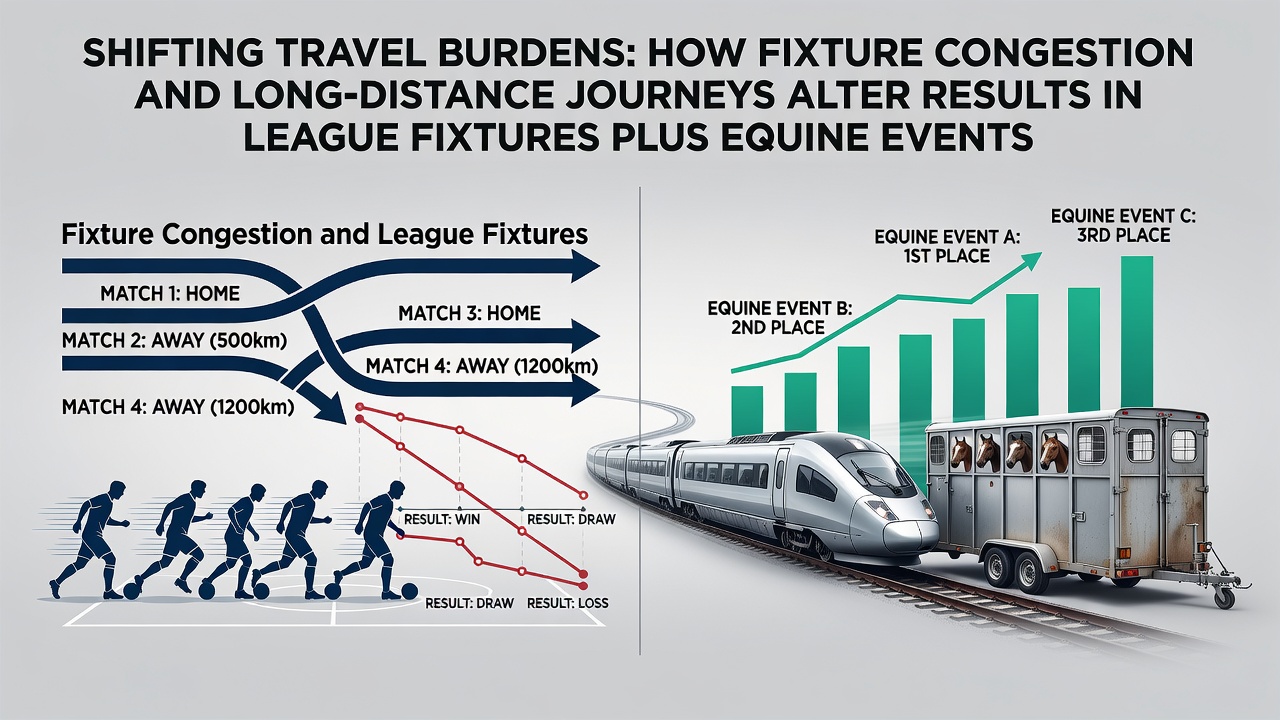
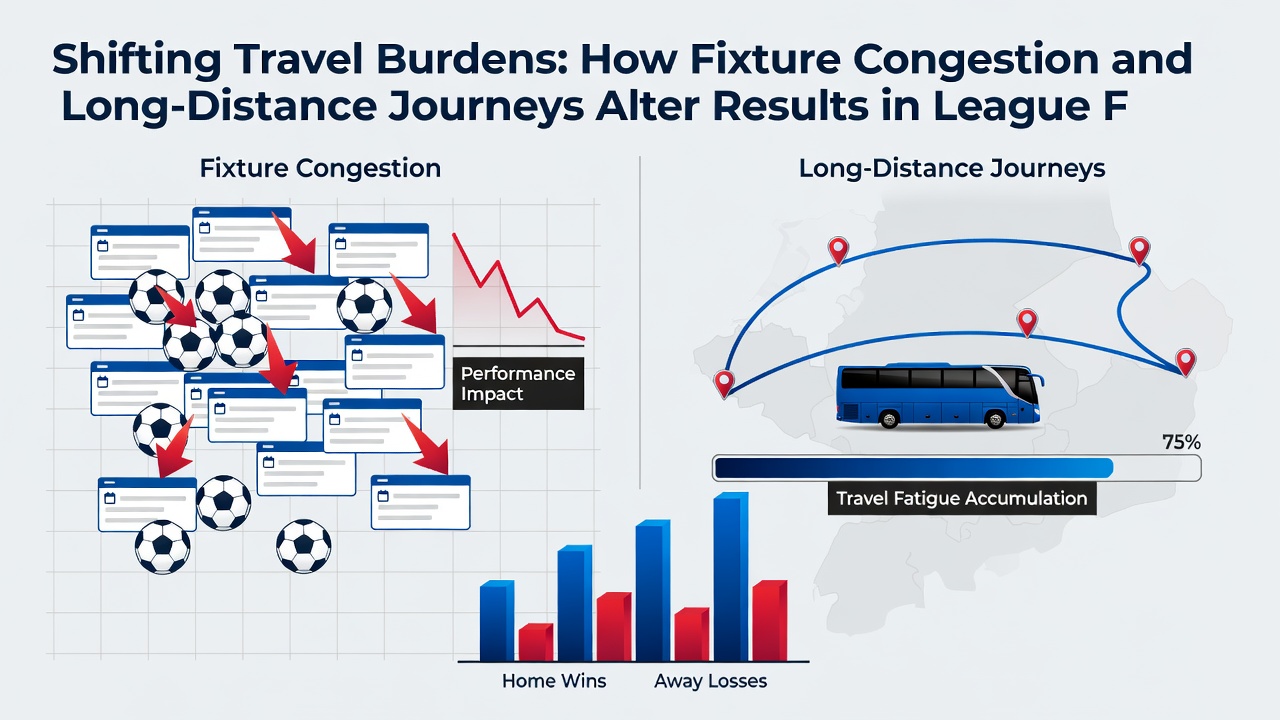
League calendars pack multiple competitions into narrow windows, and teams often face cross-country trips that compress recovery time. Data from European domestic seasons show clubs averaging three fixtures inside eight days experience measurable drops in high-intensity running output, according to tracking studies compiled by sports science groups. Researchers note that long-distance bus or flight segments compound these effects when squads cross time zones or contend with airport delays.
Patterns in Football League Results
Analyses of Premier League and Championship matches from 2023 through 2025 indicate that sides traveling over 300 kilometers for an away fixture record win rates approximately 4 percentage points lower than home fixtures played under similar rest conditions. When those away games follow a midweek European tie, the margin widens further. Midfielders and full-backs log fewer sprints in the final 30 minutes, while set-piece concession rates climb, according to Opta-derived metrics shared in academic reviews.
August 2026 calendars already list several clubs facing back-to-back long-haul domestic trips because of rearranged cup ties. Scheduling software used by league administrators attempts to cluster northern and southern fixtures, yet weather disruptions and broadcast requirements frequently override those plans, leaving teams with overnight travel on short notice.
Equine Parallels in Race Scheduling
Thoroughbred racing calendars mirror the congestion seen in football. Trainers often ship runners between tracks separated by 400 kilometers or more within a seven-day span, particularly during summer festivals and all-weather winter programs. Veterinary records from the British Horseracing Authority and parallel bodies in Ireland show that horses completing long road journeys within 48 hours of a start exhibit reduced stride efficiency in the closing stages of races exceeding 1,400 meters.
Studies published in the Equine Veterinary Journal link transport stress markers, including elevated cortisol levels, to slower sectional times in the final furlong. Handlers mitigate some effects through specialized float designs and rest stops, yet fixture lists that cluster valuable stakes races still force difficult choices between targets.
Quantitative Evidence Across Codes
Joint research from Loughborough University and the University of Sydney examined performance databases covering both soccer and flat racing. The combined dataset revealed that entities—teams or individual horses—operating under fixture congestion plus travel distances above a defined threshold posted statistically significant underperformance in expected goal or speed ratings. The paper, released in early 2026, recommends that governing bodies incorporate mandatory rest buffers after journeys exceeding four hours.
Separate figures released by the Australian Sports Commission track similar trends in A-League and thoroughbred events staged across vast geographic spans, confirming that recovery windows shorter than 72 hours correlate with elevated injury reports in both codes.
Operational Adjustments Underway
Clubs and yards now employ GPS monitoring, sleep pods on team coaches, and adjusted training loads to offset cumulative fatigue. Several Premier League sides have adopted charter-flight protocols for shorter domestic hops, while larger racing stables coordinate shared transport to reduce individual horse stress. League authorities continue to trial fixture-release algorithms that prioritize recovery, although commercial obligations limit full implementation.
August 2026 pre-season tours already demonstrate these tensions, with several English Championship clubs returning from overseas camps and immediately contesting league openers that require additional travel. Observers note that early-season results may reflect these compressed timelines more sharply than mid-season blocks.
Conclusion
Fixture density and long-distance movement create measurable performance variances in both association football and thoroughbred racing. Tracking data, veterinary records, and academic reviews consistently document the patterns, while stakeholders test logistical and technological responses. Continued refinement of scheduling frameworks remains central to maintaining competitive balance across both sports.